$4T Gap: Why Global MSMEs Are Starving for Capital in 2026
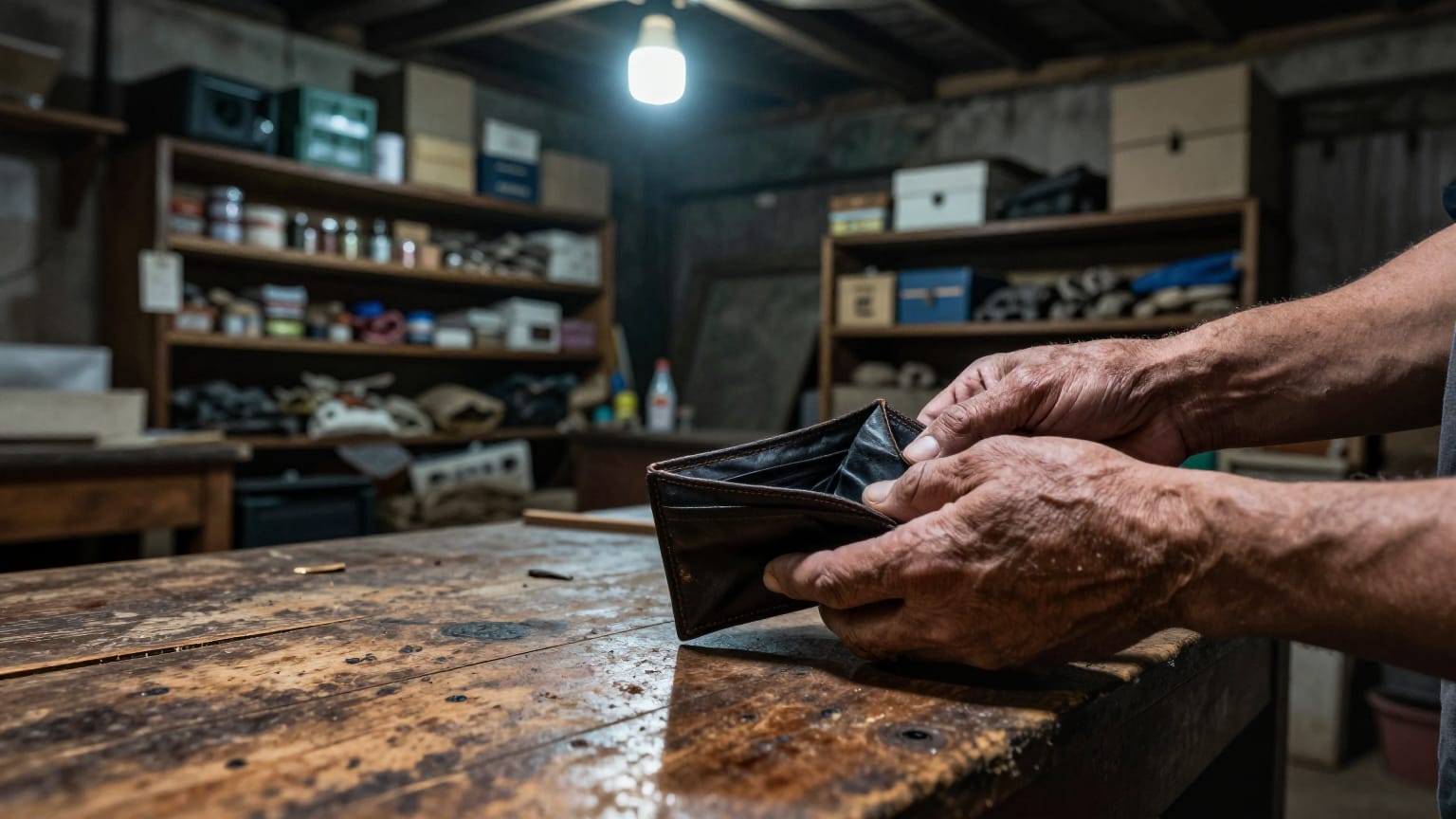
Imagine a global economy where the engine that powers 90% of business activity is running on fumes. That is the reality facing Micro, Small, and Medium Enterprises (MSMEs) in 2026. For decades, we have celebrated the "small business" as the backbone of economic resilience, the incubator of innovation, and the primary driver of job creation in developing nations. Yet, as we navigate the complexities of the mid-2020s, a stark and uncomfortable truth has emerged: the world’s small businesses are not just struggling; they are starving. On November 17, 2026, the World Bank Group released a report that serves as both a wake-up call and a crisis management manual for global policymakers and investors. The headline is difficult to ignore: MSMEs across developing countries face a staggering $4 trillion finance gap 4 . This is not merely a statistical anomaly; it is a structural failure that limits the ability of millions of entrepreneurs to grow, trade, compete, and create jobs at scale 4 . In this post, we will dissect why this gap exists, how it manifests across different regions, and what the evolving landscape of 2026 looks like for those trying to start, validate, and fund their ventures in an era of profound economic transformation. The Anatomy of a $4 Trillion Hole To understand the magnitude of this crisis, we must first define who is being left behind. The $4 trillion figure represents the difference between the amount of finance MSMEs in developing countries need to operate and expand, and the amount they can actually access 4 . This gap is critical because these enterprises are not peripheral players; they are central to accelerating job creation in the Global South 4 . Historically, the narrative around MSME funding has been dominated by the "missing middle"—small businesses that are too big for microfinance loans but too small or risky for traditional commercial bank lending. In 2026, this gap has widened due to a convergence of factors: post-pandemic inflationary pressures, shifting geopolitical trade routes, and the rapid digitization of financial services that has, paradoxically, excluded those without digital footprints. The World Bank’s report emphasizes that closing this gap is not a charitable act but an economic imperative. Without access to capital, these businesses cannot scale, which in turn stifles broader economic growth and perpetuates cycles of poverty 4 . The Evolution of the Entrepreneur: From Solo to Micro-Multinational As we enter 2026, the profile of the entrepreneur is changing rapidly. The International Council for Small Business (ICSB) notes that MSMEs stand at the center of a profound economic and social transformation 6 . We are witnessing the rise of the "micro-multinational"—small enterprises that leverage digital platforms to operate across borders with the agility of a startup but the reach of a corporation 6 . Simultaneously, there is a resurgence of the "human touch" in business. In an era where Artificial Intelligence (AI) is automating customer service and supply chain logistics, small businesses are finding value in the personal, humanized connection that algorithms cannot replicate 6 . This shift toward "humanized AI" means that while technology is a tool, the core value proposition of many small businesses remains rooted in trust, community, and personal service. However, this human-centric model often requires more capital to sustain than the old, purely local models, as these businesses now compete in global digital marketplaces. The need for financing is no longer just for buying inventory; it is for building robust digital infrastructure, hiring specialized talent, and navigating complex international regulations. The Incubator Paradox: Abundance vs. Quality If the problem is a lack of capital, why do we have so many business incubators and accelerators worldwide? The answer lies in a phenomenon described by the ICSB as the "incubator paradox." While the global growth of business in…