From €100M Hypersonics to UN Incubators: 2026’s Global Startup Surge
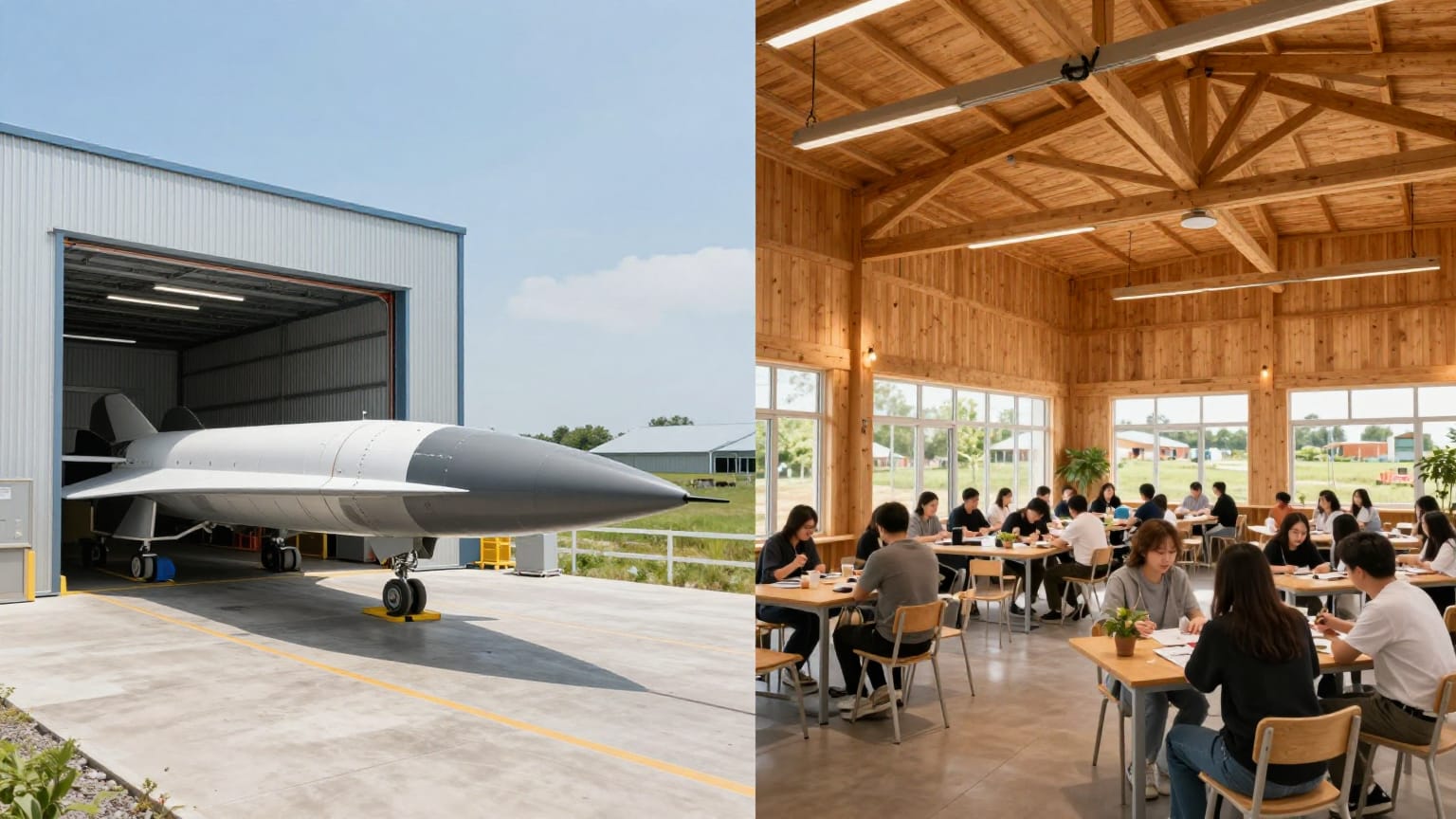
It is 2026, and the world of entrepreneurship is no longer a monolith. If you look closely at the current landscape, you see a fascinating duality. On one hand, we have the high-octane, defense-tech heavyweights raising nine-figure sums to build hypersonic weapons. On the other, we have a quiet but powerful revolution happening in community centers and digital platforms, where the United Nations is helping micro-entrepreneurs in rural areas secure their first loan. At first glance, these two worlds seem light-years apart. A British-German startup closing a €100 million Series B for hypersonic defense technology seems to have nothing in common with a small artisan cooperative in the Global South trying to navigate fair policy frameworks. Yet, they are two sides of the same coin. Both are driven by the fundamental human desire to innovate, scale, and solve problems. In 2026, the "startup" label has expanded to encompass a spectrum of ambition, from the hyper-scale of venture capital-backed tech giants to the hyper-local resilience of micro, small, and medium-sized enterprises (MSMEs). This post explores the dual engines of 2026’s global startup surge. We will dive into the high-stakes world of deep-tech funding and contrast it with the grassroots support systems that are allowing the world's smallest businesses to survive and thrive. It is a story of how the ecosystem is maturing, becoming more nuanced, and increasingly inclusive, even as it chases the next big breakthrough. The High-Flying Giants: Hypersonics and the New Defense Tech Let’s start with the headline grabbers. In November 2026, the news cycle was dominated by a massive funding round that signaled the maturity of the defense-tech sector. Hypersonica, a British-German hypersonic defense startup, closed a Series B round of €100 million 6 . This is not your average seed round. This is a war chest that allows for rapid prototyping, recruitment of elite engineers, and geopolitical positioning. The co-leadership of this round by major venture firms highlights a shift in investor psychology. Defense technology, once a government-only domain, is now a venture capital darling. The logic is simple: the geopolitical landscape has shifted. Nations are no longer just buying off-the-shelf equipment; they are seeking agile, software-defined, and next-generation capabilities that only startups can deliver quickly. The €100 million figure is a testament to the "venture scale" of modern national security. It implies that the market for these technologies is not just local but global, with a demand that can absorb such massive capital injections. But what does this mean for the broader startup ecosystem? It sets a benchmark for what "success" looks like in deep tech. It validates the idea that startups can tackle problems that were previously deemed too risky or too complex for private enterprise. It also creates a halo effect. When a hypersonic startup raises €100 million, it validates the entire deep-tech sector, making it easier for other hard-tech companies to raise capital. It is a reminder that in 2026, the stakes are high, the risks are calculated, and the rewards are potentially transformative for global security architectures. The Quiet Revolution: The UN and the MSME Ecosystem While Hypersonica was making headlines in the financial press, a different kind of news was being written in the corridors of the United Nations. The UN Sustainable Development Goals (UNSDG) platform has been highlighting a critical narrative: "Small Businesses, Big Impact" 1 . The argument here is not about billion-dollar valuations, but about billion-person impacts. The UN and its partners are working to create environments where micro-, small, and medium-sized enterprises (MSMEs) can flourish. MSMEs are the backbone of the global economy. They employ the majority of the world’s workforce and contribute significantly to GDP. However, they have historically been the most underserved segment of the st…