Stop Building, Start Validating: 3 Global Startup Trends for 2026
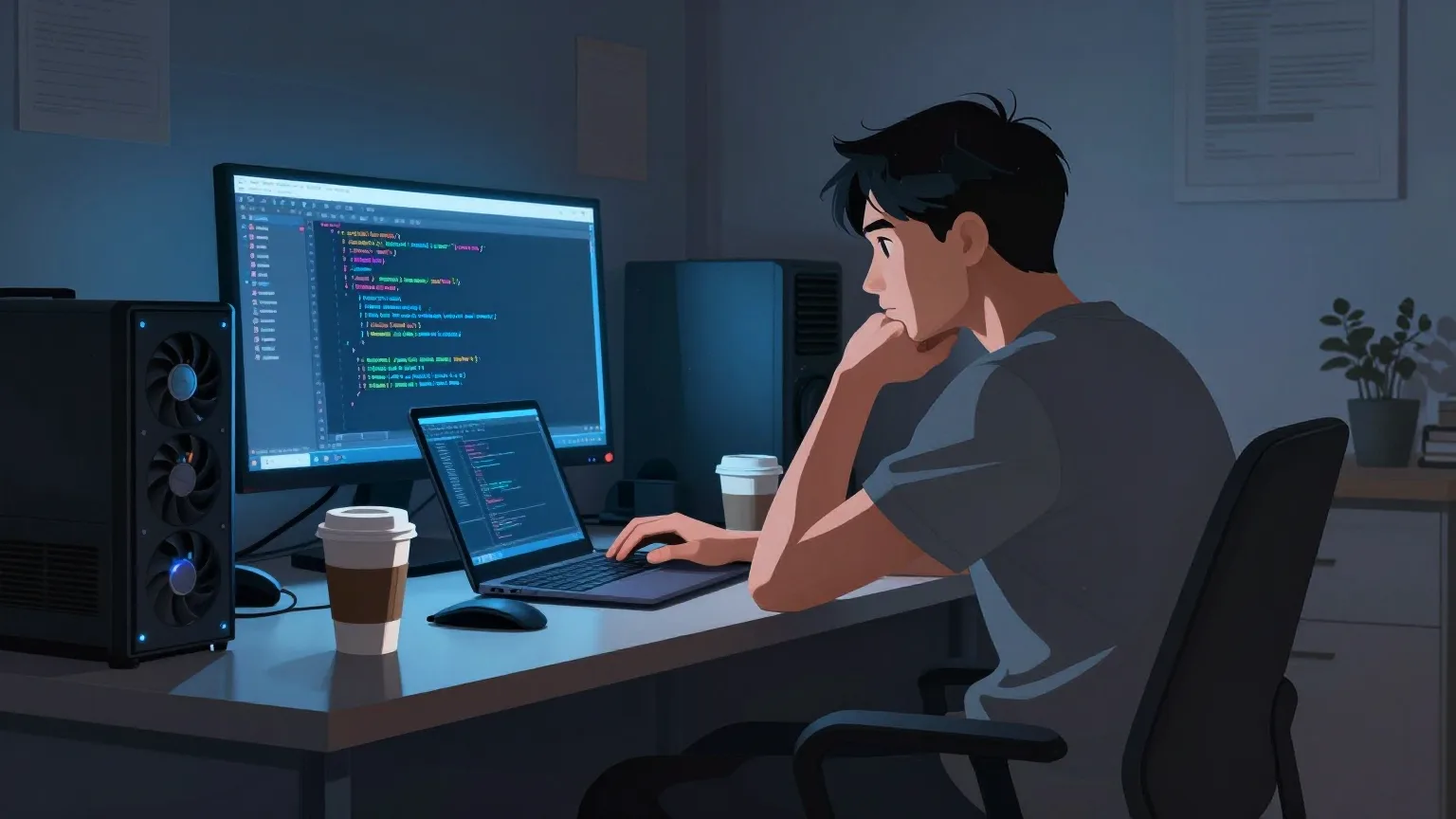
The Great Pivot: Why Your Code Is Not Your Moat It is 2026. The air in your home office smells faintly of stale coffee and the ozone hum of your GPU cluster. It is 2:00 AM. You have just pushed your latest commit, a feature that you believe will change the world, to the main branch. You feel a surge of adrenaline, the classic "founder’s high." But then, the silence of the night hits you with the force of a physical blow. You have built. You have shipped. You have coded. But have you validated? If you are nodding along, you are not alone. In fact, you are likely making the exact mistake that is currently bankrupting more early-stage startups than ever before. The narrative of the "build it and they will come" era is officially dead, buried by the economic realities of the post-AI boom. Today, the most dangerous thing a founder can do is write a single line of code before they have spoken to fifty potential customers. Welcome to the era where validation is not a step in the process; it is the process. As we navigate the complexities of 2026, the global landscape for starting, validating, and funding small businesses has shifted dramatically. From the bustling incubators of London to the digital nomad hubs of Southeast Asia, a new trend is emerging: the "Validation-First" movement. This isn't just about being cautious; it is about being strategic. Let’s dive into three global startup trends that are redefining how we approach the birth of a business, and why you need to stop building and start validating today. The Graveyard of Unwanted Features To understand where we are, we must look at why so many startups fail. Historically, the biggest killer of a startup was not a lack of capital or a bad team; it was building a product that no one wanted. It sounds simple, yet it remains the primary cause of death for early-stage ventures. One of the biggest reasons startups fail is developing products that customers simply don't need 2 . Think about the last time you downloaded an app that was "almost" what you needed. You uninstalled it after two days. Now, imagine a founder who spent six months and $50,000 building that "almost" app. They didn't fail because their code was buggy; they failed because their empathy was missing. In 2026, with AI tools allowing anyone to build a functional MVP in days rather than months, the barrier to entry has lowered, but the barrier to success has risen. It is easier to build than ever before, which means the market is flooded with solutions to problems that don't exist. The differentiator is no longer technical prowess; it is market insight. The Cultural Shift from "Hustle" to "Listen" There is a distinct cultural shift happening in the startup world, particularly in Western markets like the United States and the United Kingdom. For the past decade, the dominant culture was "hustle." It was about grinding, about shipping fast, about breaking things. While that energy is still valuable, it is now viewed with skepticism by investors and mentors alike. The new mantra is "listen." In this video, I break down the 1 mistake early-stage founders make: building too much, too soon, without ever validating their idea 4 . This sentiment is echoed in every startup accelerator from Silicon Valley to Shanghai. The "hustle" culture often masked a lack of validation. Founders would hide behind their code, saying, "I need more time to build the backend," when the real issue was that they hadn't asked their users if they actually wanted a backend. The modern perspective is that if you can't explain your value proposition in a way that makes a stranger want to pay you, your code is irrelevant. It is a humbling realization, but it is the most effective filter for bad ideas we have ever had. Global Incubators: The New Gatekeepers As the need for validation grows, so does the infrastructure around it. We are seeing a global proliferation of incubators and accelerators that focus less on providing office space and more on p…