Startup Resilience: How 2026 Global Shifts Are Rewriting Small Business Rules

The Great Pivot: Why 2026 Is the Year of the Unbreakable Startup
If you launched a startup in 2020, you likely chased the "growth at all costs" mantra, assuming that if the numbers went up, the business would eventually become profitable. If you launched in 2022, you learned the hard lesson that capital markets can freeze as quickly as they thaw. But 2026? 2026 is different. It is the year of resilience.

We are no longer in a period of recovery; we are in a period of redefinition. The global economic landscape has shifted beneath our feet, driven by geopolitical realignments, rapid technological saturation, and a consumer base that is more skeptical, more digital, and more demanding than ever before. For small businesses and startups, the rules of the game have been rewritten. The old playbook—secure funding, burn cash, hope for an exit—is officially obsolete. What works now is agility, local relevance, and an unshakeable ability to adapt to shifting tides [1].
In this post, we are going to explore how these global shifts are forcing entrepreneurs to rethink everything from validation to funding. We will look at how news from around the world is shaping local business strategies, why "global" no longer means "uniform," and how the most successful startups of 2026 are building empires that are both hyper-local and globally connected. Let’s dive into the new reality of starting, validating, and funding a business in a world that refuses to stand still.
The End of the "Global One-Size-Fits-All" Model
For decades, the dream of the startup was to be a global player from day one. Silicon Valley’s influence created a template: build a product, scale it globally, and dominate. In 2026, that approach is increasingly risky. The fragmentation of global supply chains and the rise of regional economic blocs have made "global" a complex, layered concept rather than a single, unified market [5].
Consider the case of a SaaS startup in Southeast Asia. In 2020, they might have built their platform in English, targeting a global audience. Today, they are building region-specific features that account for local payment methods, regulatory nuances, and cultural communication styles. This isn’t just a nice-to-have; it’s a survival strategy. As Al Jazeera notes in its global coverage, the Middle East and Asia are becoming distinct economic centers with their own unique consumer behaviors and regulatory frameworks [5].
This shift means that startups must be "glocal"—global in vision, local in execution. The ability to pivot quickly to meet local demands is now a core competency. A startup that tries to impose a Western business model on a market with different cultural and economic structures will likely fail. The winners of 2026 are those who listen to the local news, understand the local pain points, and tailor their solutions accordingly [2].
Validation in the Age of Hyper-Local Data
Validating a business idea used to be about running A/B tests on a global user base. Today, the signal-to-noise ratio in global data is too high. Instead, startups are turning to hyper-local data sources to validate their ideas. This includes local news feeds, community forums, and regional economic indicators [3].
Take, for example, a food delivery startup in Eastern Europe. In 2026, they aren’t just looking at global trends in food delivery; they are monitoring local news about energy prices, local regulations on gig workers, and even the weather patterns that affect logistics [3]. By validating their model against these specific, local variables, they can build a more robust business case. This approach reduces risk and increases the likelihood of success.
Furthermore, the concept of "validation" has expanded beyond just product-market fit. Startups are now validating their supply chains, their regulatory compliance, and even their social impact. In a world where consumers are more conscious of ethical and environmental issues, a startup that cannot validate its supply chain as sustainable may find itself shut out of key markets [4].
This shift towards hyper-local validation requires a different set of tools and skills. Entrepreneurs need to be data-literate, culturally aware, and deeply connected to their local communities. It’s no longer enough to just have a great product; you need to have a product that fits seamlessly into the local ecosystem.
Geopolitical Headwinds and the Rise of Resilient Supply Chains
One of the most significant shifts in 2026 is the increased importance of geopolitical stability in business planning. Startups are no longer just concerned with competition; they are also concerned with trade wars, sanctions, and regional conflicts. As reported by major news outlets, geopolitical tensions have disrupted supply chains and increased costs, forcing businesses to rethink their sourcing strategies [1].
For small businesses, this means a move away from just-in-time inventory management towards more resilient, diversified supply chains. Startups are now building relationships with multiple suppliers in different regions to mitigate risk. This approach is more expensive in the short term but pays off in the long run by reducing the impact of supply chain disruptions [6].
Consider a tech hardware startup in Europe. In 2020, they might have sourced all their components from a single country in Asia. In 2026, they are sourcing components from multiple countries, including local suppliers in Europe and North America. This diversification not only reduces risk but also supports local economies, which is increasingly important to consumers and investors [2].
This shift towards resilient supply chains is also driving innovation. Startups are developing new technologies to optimize logistics, reduce waste, and improve efficiency. For example, AI-powered logistics platforms are helping small businesses manage their supply chains more effectively, reducing costs and improving delivery times [4].
The New Economics of Funding: Beyond the VC Bubble
Let’s talk money. The venture capital (VC) landscape in 2026 is unrecognizable from the boom years of the early 2020s. The days of easy money and high valuations are over. Instead, we are seeing a rise in alternative funding models, including revenue-based financing, government grants, and community-based investment [2].
VCs are still active, but they are more selective, focusing on startups that have proven revenue, a clear path to profitability, and a strong competitive advantage. Startups that cannot demonstrate these qualities are being forced to seek alternative funding sources. This shift is democratizing funding, allowing more entrepreneurs to access capital without giving up equity [1].
Government grants are also playing a larger role. Many countries are offering grants and tax incentives to startups that focus on specific sectors, such as clean energy, health tech, and artificial intelligence. These grants are often less dilutive than VC funding and can provide valuable resources for early-stage startups [6].
Community-based investment, such as crowdfunding and local angel networks, is also on the rise. This model allows startups to raise capital from their local communities, building a base of loyal customers and supporters. It’s a win-win situation: startups get the funding they need, and community members get a stake in local innovation [3].
This diversification of funding sources is making the startup ecosystem more resilient. It’s no longer just about securing a big VC round; it’s about building a sustainable funding strategy that aligns with the startup’s long-term goals.
AI as a Co-Founder: Automating the Mundane, Amplifying the Human
Artificial intelligence is no longer a buzzword; it’s a fundamental tool for startups. In 2026, AI is being used to automate mundane tasks, from customer service to financial forecasting. This allows small teams to punch above their weight, handling volumes of work that would have required a much larger team in the past [5].
However, the key to success is not just using AI, but using it wisely. Startups that rely too heavily on AI without understanding its limitations are finding themselves in trouble. The most successful startups are using AI to augment human capabilities, not replace them. They are using AI to handle the data-heavy, repetitive tasks, while their human teams focus on creativity, empathy, and strategic thinking [4].
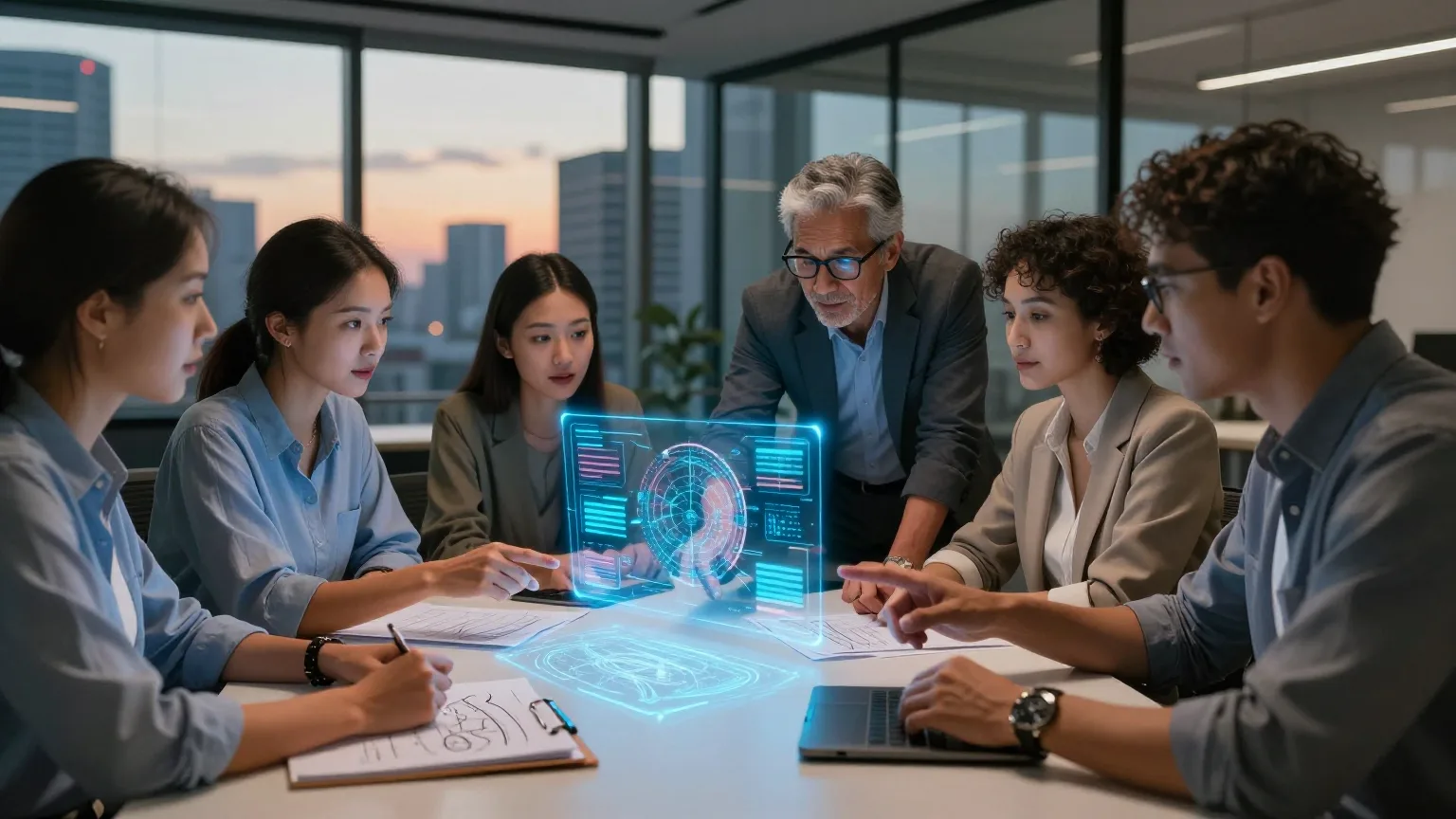
For example, a marketing startup might use AI to generate ad copy and analyze customer data, but their human team is responsible for crafting the brand narrative and building relationships with key clients. This hybrid approach allows them to scale efficiently while maintaining a personal touch that resonates with customers [2].
This shift towards AI-augmented teams is also changing the skills that entrepreneurs need. In 2026, being tech-savvy is no longer optional; it’s a core requirement. Entrepreneurs need to understand how AI works, how to integrate it into their business processes, and how to manage the ethical and legal implications of its use [6].
Cultural Nuances in a Digital World
As startups expand globally, they are increasingly aware of the importance of cultural nuances. In a digital world, it’s easy to overlook these nuances, assuming that a one-size-fits-all approach will work everywhere. But in 2026, this approach is failing. Consumers are more aware of cultural differences and expect brands to respect them [5].
For example, a startup selling fashion products needs to understand the cultural significance of colors, patterns, and styles in different regions. A startup selling food needs to understand local dietary restrictions and preferences. Ignoring these nuances can lead to backlash and reputational damage [1].
To navigate this complex landscape, startups are investing in cultural intelligence. They are hiring local talent, partnering with local influencers, and conducting market research to understand the cultural context of their target markets. This investment in cultural intelligence is paying off, as it allows startups to build stronger relationships with their customers and avoid costly mistakes [3].
This focus on cultural nuance is also driving innovation. Startups are developing new products and services that are specifically tailored to local cultural contexts. For example, a fintech startup in South Asia might develop a mobile payment app that integrates with local religious practices, such as offering features for calculating zakat (charity) [4].
The Regulatory Labyrinth: Navigating Compliance in a Fragmented World
Regulation is one of the biggest challenges for startups in 2026. With the rise of data privacy laws, AI regulations, and environmental standards, startups are facing a complex web of rules that vary from country to country. Navigating this labyrinth requires a deep understanding of local regulations and a proactive approach to compliance [6].
For example, a health tech startup operating in the EU must comply with the GDPR, while a similar startup operating in the US must comply with HIPAA. These regulations are complex and constantly evolving, making it difficult for startups to keep up. To stay compliant, startups are investing in legal counsel, compliance software, and internal training [2].
This focus on compliance is also driving innovation. Startups are developing new tools and platforms to help businesses navigate the regulatory landscape. For example, AI-powered compliance platforms are helping startups automatically detect and flag potential compliance issues, reducing the risk of fines and reputational damage [1].
However, compliance is not just about avoiding fines; it’s about building trust with customers and investors. Startups that prioritize compliance are seen as more responsible and reliable, which can give them a competitive edge in the market [5].
Sustainability as a Core Business Strategy
Sustainability is no longer a nice-to-have; it’s a core business strategy. In 2026, consumers and investors are increasingly demanding that startups operate in a sustainable and ethical manner. Startups that cannot demonstrate their commitment to sustainability are finding it harder to attract customers and secure funding [4].
This shift is driving innovation in areas such as circular economy, renewable energy, and sustainable packaging. Startups are developing new products and services that reduce waste, conserve resources, and minimize their environmental impact. For example, a fashion startup might develop a platform that allows customers to rent, resell, or recycle their clothes, extending the lifecycle of garments and reducing waste [6].
This focus on sustainability is also changing the way startups measure success. In addition to financial metrics, startups are now tracking their environmental and social impact. They are using tools such as carbon footprint calculators and social impact assessments to measure their progress and identify areas for improvement [3].
This shift towards sustainability is not just about doing good; it’s also about doing well. Startups that prioritize sustainability are often more efficient, innovative, and resilient, which can give them a competitive edge in the long run [2].
The Human Element: Building Resilient Teams in a Remote World
While technology is playing an increasingly important role in the startup ecosystem, the human element remains crucial. In 2026, startups are building resilient teams that are capable of adapting to change, collaborating across borders, and maintaining a strong company culture in a remote work environment [1].
Building resilient teams requires a different approach to leadership. Leaders need to be empathetic, transparent, and supportive, creating an environment where employees feel valued and empowered. They also need to invest in their employees’ well-being, providing them with the resources and support they need to succeed [5].
This focus on team resilience is also driving innovation in areas such as remote work tools, employee engagement platforms, and mental health support. Startups are developing new tools and services that help remote teams collaborate more effectively, stay connected, and maintain their well-being [4].
However, building resilient teams is not just about technology; it’s also about culture. Startups need to foster a culture of trust, collaboration, and continuous learning. This culture allows teams to adapt to change, overcome challenges, and achieve their goals, even in the face of uncertainty [6].
Conclusion: The Call to Action for the Resilient Entrepreneur
The startup landscape in 2026 is challenging, but it is also full of opportunity. For entrepreneurs who are willing to adapt, learn, and innovate, the rewards are significant. The key to success is not just having a great idea; it’s having the resilience to execute it in a complex, ever-changing world.
So, what can you do? First, stay informed. Follow the news, both local and global, to understand the trends and challenges that are shaping your industry [1]. Second, build resilience. Diversify your supply chains, your funding sources, and your customer base. Third, prioritize sustainability. Operate in a way that is ethical, responsible, and environmentally conscious. Fourth, invest in your team. Build a culture of trust, collaboration, and continuous learning. And finally, stay human. In a world dominated by technology, don’t forget the power of empathy, creativity, and connection.
The future of startups is not about being the biggest or the fastest; it’s about being the most resilient. It’s about building businesses that can withstand the storms of the present and thrive in the opportunities of the future. The rules have changed, but the spirit of entrepreneurship remains the same: to solve problems, create value, and make a difference. Now, go out there and build something unbreakable.